Origins of the Ferragosto in Ancient Rome
It is not very well known that the Ferragosto has pagan origins. Emperor Augusto established the Ferragosto in 18B. as Feriae Augusti, or the ‘Rest of Augusto’. This festivity coincided just after the hard agricultural work of the summer, when the land had already paid off. The objective was double: to allow workers to rest and strengthen the link between the emperor and the people. In essence, the Ferragosto was an important political and social event, plus a moment of gratitude for the harvest.
The Celebrations Lasted Weeks
Unlike today, in Roman times, August 15 was not just a day off. The Romans celebrated for weeks, mixing this festivity with other celebrations, such as those dedicated to Diana, goddess of hunting, or Consus, protector of crops. Public feasts, games and, above all, horse races were also organized. Some traditions, such as those linked to races, have survived for centuries, keeping in various ways in Italian popular festivals.
From Paganism to Christianity
With the arrival of Christianity, the festivity survived but changed meaning. The Church added a religious celebration — the Assumption of Mary — on the pagan festivity. This transition allowed tradition to remain, transforming it into a sacred moment without deleting its popular dimension. Even today, the Ferragosto retains its hybrid nature, combining secular and religious aspects.
Medieval Greetings to the Lords
In the Middle Ages, the Ferragosto acquired a particular social meaning. The peasants visited their lords to offer good wishes and, in return, they received small tips or gifts. This ritual consolidated the relations between social classes and was interpreted as a propitiatory gesture for the future harvest. It was not only a day of celebration, but also a way to strengthen social balances and hierarchies.
The “Popular Trains” of the Fascist Period
The temporary jumps to discover all curiosities about the Ferragosto lead us to the 20th century, when it really became popular. During the Fascist regime, the so-called ‘Popular Trains de Ferragosto’, special trains with reduced prices, allowing less well-off families to travel on one-day excursions. It was at this time that the tradition of the picnic or the day on the beach on August 15 became the symbol of the Italian summer. For many, these trips were the first real vacation opportunity.
A Ferragosto International but Unique Festival in Italy
Yes, the Ferragosto is not only Italian. In several Catholic countries, on August 15, it coincides with the feast of the Asuncion of Mary and is a national festive. In Spain, for example, the Virgin of the Asuncion is very celebrated, while in France L’Assomption is celebrated. However, no other country has maintained the typical secular and covial spirit of Italy. Abroad on August 15 is mainly a religious event, while in Italy it is combined with fairs, lunches, bonfire and various holy celebrations.
The Symbolic Food of the Ferragosto
There is no unique menu for this party, but each region maintains its own traditions. In many areas, the custom of roasted chicken, a dish linked to ancient peasant traditions persists. Other places prefer fresh fish dishes, a symbol of holiday by the sea. Watermelon is essential, considered summer fruit par excellence, able to bring freshness in the hottest days. Whether on the mountain, on the beach or on the countryside, barbecues are usual, one more show that this festivity is always an occasion for coexistence.
Superstitions and Beliefs
El Ferragosto also brings with it a load of superstitions. Work in the field was believed to be a bad omen that could affect future crops. It was therefore preferred to suspend all agricultural activity. On the other hand, participating in fairs and markets at this time was considered to be an enabling gesture, almost a desire for prosperity. In many rural communities, the day symbolized the passage from summer to the beginning of a new agricultural cycle.
Desert Cities and Peoples Repleted
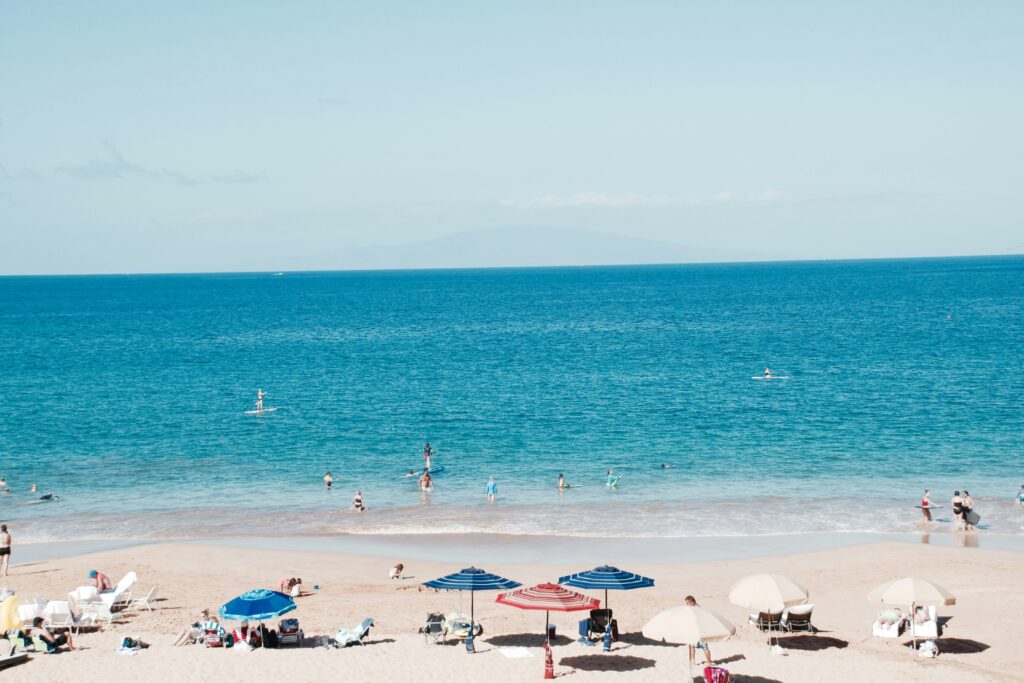
One of the most typical images of this festivity today is Italian cities such as Milan, Rome or Turin empty suddenly, with deserted streets and closed shops. In contrast, tourist centers, beaches, lakes and especially villages are filled up to the top. This contrast, especially after the post-war period, has become a collective ritual that marks every summer.
The Ferragosto as Symbol of the Italian Summer
In short, the Ferragosto is not just another date in the calendar. It is the symbolic heart of summer, the moment when the holidays reach its peak. It brings with it more than two thousand years of history, intertwining pagan and Christian worlds, politics and daily life, peasant beliefs and the modernity of summer travel. Perhaps it is precisely this ability to unite the sacred and the profane, the ancient and the contemporary, which makes it so special and valid even today.
Of all these curiosities about the Ferragosto we have discovered what it is like a festivity that has passed through the centuries, transforming and adapting itself without ever losing its strength. He tells us about our history, our changes and our desire to meet with family or friends. Whether celebrating it with a traditional lunch, a bath at sea or a hike on the mountain, it is always an occasion to celebrate the life, rest and beauty of the Italian summer.
Recent Posts
-
 Real maternity: What We Left Behind When We Choose to Take Care Of
 -
 Dream Cruise Vacations: The Wonders of the Caribbean
 -
 Ideas and Tips for an Unforgettable Summer
 -
 How to Protect Your Skin From the Cold
 -
 Quick, Protein-Packed, Healthy Dinner to Help You Slim Down: Nutritionist Blanca Martín’s 5-Minute Salad Recipe
 BBC News
- Inside the £3.25m castle bought by Celebrity Traitors winner Alan Carr February 28, 2026
- Formula 1's new golden age of celebrity may have just begun February 28, 2026
- Resident Evil Requiem's director on redefining the survival horror genre February 28, 2026
- Six things to look out for in tonight's Brit Awards ceremony February 28, 2026
- The strange British phenomenon of the snatched backseat picture February 28, 2026
- Neil Sedaka, singer of Breaking Up Is Hard To Do, dies at 86 February 27, 2026
- These filmmakers know exactly how to get you hooked on bizarre one-minute dramas February 27, 2026
- What the Warner Bros deal could mean for streaming, cinemas and news February 27, 2026
- I Swear director says Baftas 'let down' Tourette's campaigner February 27, 2026
- Presenter conquering fear of city she lived in during abusive marriage February 27, 2026
- Cruz Beckham launches music career, having fun amid family drama February 27, 2026
- How Hollywood and Maga aligned over Warner Bros deal February 27, 2026
- Jack Whitehall: Hosting the Brits is a 'genuine rollercoaster' February 27, 2026
- Ghosts TV sitcom brought back to life as a feature film February 27, 2026
- Williams leads supergroup in Brits tribute to Ozzy February 27, 2026