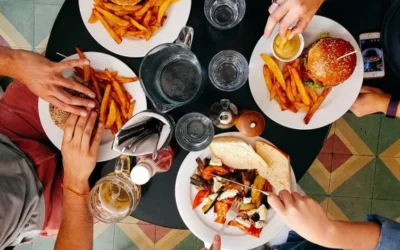
Nutritionist Pablo Ojeda explains that eating quickly triggers the primitive part of the brain, which mistakes this for an emergency and signals the body to store more fat. In today’s busy world, many people eat standing up, multitasking, or distracted, leading to rushed, inattentive eating that impacts digestion and weight.
How Eating Quickly Harms Digestion and Promotes Fat Gain
Eating fast means chewing poorly and swallowing bigger food chunks, forcing the digestive system to work harder and absorb fewer nutrients. The digestion process begins in the mouth, so mindful chewing is vital. Moreover, fast eating activates the reptilian brain . The primal survival center which interprets rapid eating as a threat and prompts the body to accumulate energy as fat for survival.
Eating slowly allows the brain about 10–15 minutes to process fullness signals from the stomach, preventing overeating. In contrast, rushing through meals can cause you to eat well beyond your actual needs.
Eating speed plays a crucial role in digestion and fat accumulation, according to nutrition expert Pablo Ojeda. When you eat too quickly, your brain’s primitive instincts interpret it as an emergency, triggering the body to store more fat.
The Modern Fast-Eating Habit and Its Consequences
In today’s fast-paced life, many people eat on the go standing at the kitchen counter, working at the computer, commuting, or distracted by TV shows. This rushed eating results in swallowing food hastily rather than truly enjoying or chewing it well. The consequences include inefficient digestion and missed signals of fullness, leading to overeating.
Why Eating Fast Leads to Weight Gain
Pablo Ojeda explains on Kiss FM that fast eating activates the reptilian brain, responsible for survival instincts. When this primal brain perceives food intake as an emergency, it signals the body to store energy in the form of fat for future threats. This mechanism, advantageous for ancestors fleeing predators, now causes unnecessary fat accumulation.
Moreover, eating fast prevents your brain from receiving timely fullness signals. The sensation of satiety takes about 10-15 minutes to reach your stomach signals to the brain that you are full. Eating slowly allows these signals to register, helping you consume only what your body needs.
Tips to Learn to Eat Slowly
Changing the habit of eating fast may feel challenging but can be achieved with mindfulness and practice:
- Chew your food thoroughly: Aim for about 20 chews per bite to enhance digestion and nutrient absorption.
- Put utensils down after each bite: Only pick them up again after swallowing to slow down your eating pace.
- Drink water slowly between bites: Staying hydrated helps digestion and prevents eating too quickly.
- Create a focused eating environment: Sit at the table without distractions (phone, TV, computer, books) and fully engage in the act of eating.
By slowing down, you improve digestion, reduce fat accumulation, and better enjoy your meals.
Recent Posts
-
 Real maternity: What We Left Behind When We Choose to Take Care Of
 -
 Dream Cruise Vacations: The Wonders of the Caribbean
 -
 Ideas and Tips for an Unforgettable Summer
 -
 How to Protect Your Skin From the Cold
 -
 Quick, Protein-Packed, Healthy Dinner to Help You Slim Down: Nutritionist Blanca Martín’s 5-Minute Salad Recipe
 BBC News
- Inside the £3.25m castle bought by Celebrity Traitors winner Alan Carr February 28, 2026
- Formula 1's new golden age of celebrity may have just begun February 28, 2026
- Resident Evil Requiem's director on redefining the survival horror genre February 28, 2026
- Six things to look out for in tonight's Brit Awards ceremony February 28, 2026
- The strange British phenomenon of the snatched backseat picture February 28, 2026
- Neil Sedaka, singer of Breaking Up Is Hard To Do, dies at 86 February 27, 2026
- These filmmakers know exactly how to get you hooked on bizarre one-minute dramas February 27, 2026
- What the Warner Bros deal could mean for streaming, cinemas and news February 27, 2026
- I Swear director says Baftas 'let down' Tourette's campaigner February 27, 2026
- Presenter conquering fear of city she lived in during abusive marriage February 27, 2026
- Cruz Beckham launches music career, having fun amid family drama February 27, 2026
- How Hollywood and Maga aligned over Warner Bros deal February 27, 2026
- Jack Whitehall: Hosting the Brits is a 'genuine rollercoaster' February 27, 2026
- Ghosts TV sitcom brought back to life as a feature film February 27, 2026
- Williams leads supergroup in Brits tribute to Ozzy February 27, 2026