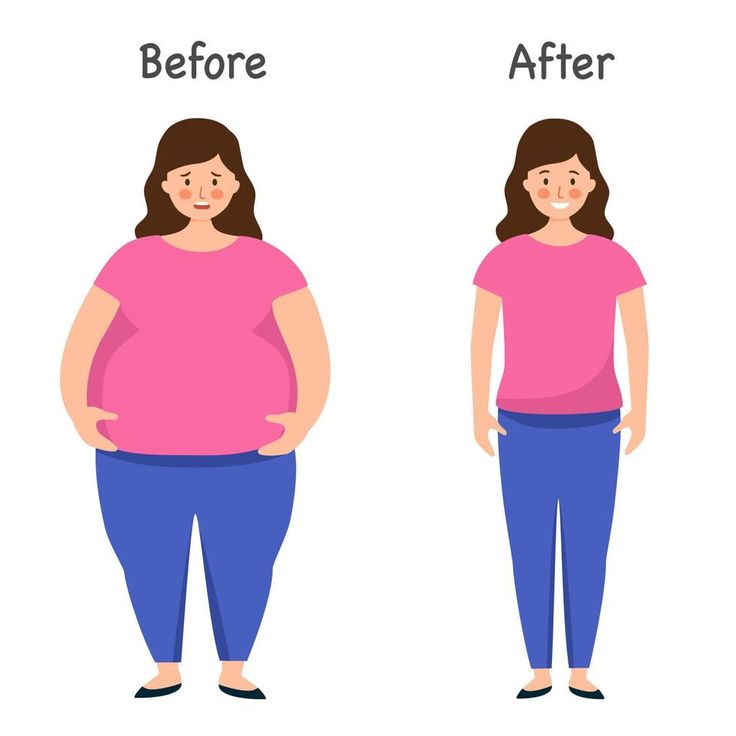
If you’re trying to lose weight, you might have heard about cutting carbs or fat, but Dr. Jesús Vázquez explains that the hormone insulin is the true driver behind fat storage. When blood glucose rises after eating, the pancreas releases insulin, which signals the body to store energy rather than use existing fat reserves.
How Insulin Controls Fat Storage and Weight Gain
The key isn’t simply the amount of carbohydrates or fats consumed, but how quickly carbohydrates are absorbed and raise blood glucose levels. Rapid glucose spikes cause the pancreas to secrete insulin to help cells absorb glucose for immediate energy. When muscle and liver glycogen stores are full, excess glucose is stored as fat.
Frequent snacking or eating small amounts throughout the day keeps insulin levels elevated constantly, preventing fat burning. Dr. Vázquez recommends minimizing meal frequency and avoiding snacks so that the pancreas can rest and the body can access stored fat.
The problem isn’t carbs or fats themselves but the speed at which carbohydrates are absorbed, which spikes blood sugar and triggers insulin production. Excess glucose, once muscle and liver glycogen stores are full, gets stored as fat. Eating frequently, even small snacks or fruits, keeps insulin elevated constantly, preventing fat burning.
Recommendations to Manage Insulin Levels
To avoid constant insulin production, Dr. Vázquez suggests:
- Reducing meal frequency and eliminating snacking between meals to give the pancreas a rest.
- Allowing time for the body to access stored fat during periods of low insulin.
Tips to Avoid Glucose Spikes by Biochemist Jessie Inchauspé
- Begin meals with fiber-rich vegetables to slow sugar absorption.
- Eat foods in this order: fiber, then proteins and fats, followed by carbohydrates to stabilize glucose levels.
- Take a light 10-minute walk after eating to aid muscle glucose use.
- Avoid sweet breakfasts like pastries or sugary cereals; opt for protein, healthy fats, and fiber-rich options like eggs with vegetables or natural yogurt with nuts.
Managing insulin through mindful eating habits and meal timing is essential to burn fat, balance metabolism, and support lasting weight loss.
Many people focus on cutting carbohydrates or fats to lose weight, but Dr. Jesús Vázquez clarifies that insulin is the hormone that truly influences fat storage and weight gain. When we eat, blood glucose rises, prompting the pancreas to release insulin. This hormone signals the body to use incoming energy rather than tapping into fat reserves. If insulin is persistently present, the body cannot access stored fat and instead accumulates even the calories you consume as fat.
Avoiding Glucose and Insulin Spikes: Advice from Biochemist Jessie Inchauspé
Glucose and insulin spikes are closely related. To prevent sudden glucose rises:
- Start meals with fiber-rich vegetables to slow sugar absorption.
- Eat foods in this order: fiber (vegetables), then proteins and fats, then carbohydrates. This sequence helps regulate glucose levels.
- Take a gentle 10-minute walk after meals to help muscles use circulating glucose.
- Avoid sugary breakfasts like pastries, juices, or cereals, which cause spikes and crashes. Instead, choose protein, healthy fats, and fiber such as eggs with veggies or natural yogurt with nuts.
Why Managing Insulin Is Key to Weight Loss
Fat burning only occurs when insulin is low, so focusing not just on what you eat but when and how often you eat is critical. By reducing meal frequency, ordering food intake wisely, and avoiding constant insulin production, your body can effectively use stored fat, balancing metabolism and supporting sustained weight loss.
Recent Posts
-
 Real maternity: What We Left Behind When We Choose to Take Care Of
 -
 Dream Cruise Vacations: The Wonders of the Caribbean
 -
 Ideas and Tips for an Unforgettable Summer
 -
 How to Protect Your Skin From the Cold
 -
 Quick, Protein-Packed, Healthy Dinner to Help You Slim Down: Nutritionist Blanca Martín’s 5-Minute Salad Recipe
 BBC News
- Louvre museum director resigns months after high-profile heist February 25, 2026
- Is TikTok the new frontier for fashion reinvention? February 25, 2026
- Phil Collins, Pink and Shakira nominated for Rock & Roll Hall of Fame February 25, 2026
- TV's Doctor Foster to return for third and final series February 25, 2026
- Tourette's campaigner says BBC 'should have worked harder' to stop his slur being aired February 25, 2026
- Gucci criticised for 'AI slop' images ahead of major fashion show February 25, 2026
- Martin Short's daughter Katherine dies at 42 February 25, 2026
- Chinese dance group's tour triggers bomb threat against Australian PM February 25, 2026
- TV producers spotted my Insta breast surgery pictures February 25, 2026
- Paramount boosts Warner Bros offer to rival Netflix in takeover bid February 25, 2026
- Snoop Dogg's surreal Swansea FC visit heralds late drama February 24, 2026
- Snoop Dogg performed private gig in our canteen February 24, 2026
- Brockwell Park festivals approved by council February 24, 2026
- Tourette's needs more understanding, says Bafta winner after racist slur February 24, 2026
- Rose Wylie: The 91-year-old art world rebel in her prime February 24, 2026