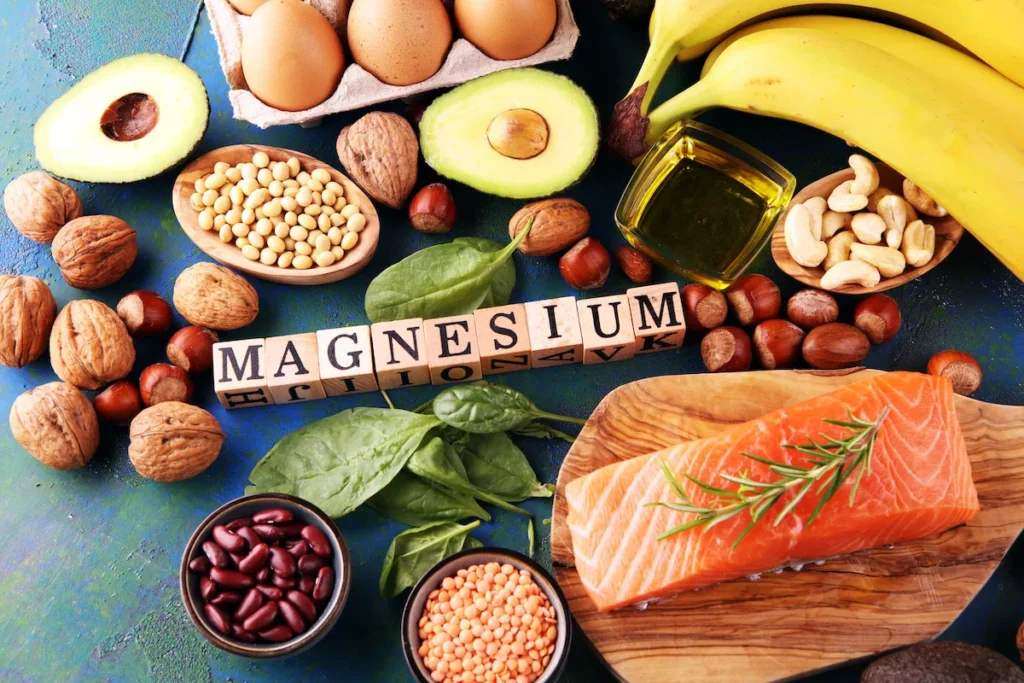
Magnesium is a vital mineral for the human body, playing a crucial role in over 300 enzymatic processes including energy production, muscle function, and nervous system health. Since the body cannot produce magnesium on its own, it is essential to obtain it through a balanced diet.
Maintaining adequate magnesium levels is especially important for combating fatigue, accelerating metabolism, and enhancing digestion all key factors that contribute to a flatter abdomen and overall well-being.
Why Magnesium Matters for a Flat Belly and Metabolism
Magnesium helps increase the production of adenosine triphosphate (ATP), the molecule responsible for energy storage and release within cells. This energy boost supports muscle recovery and helps regulate blood glucose levels, preventing fat accumulation around the midsection.
Moreover, magnesium plays a pivotal role in muscle relaxation and stress reduction important factors that help control cortisol levels, a hormone linked to abdominal fat.
The Top 10 Foods Packed with Magnesium
- Almonds
In a 100-gram serving, almonds provide approximately 250 mg of magnesium. They are also rich in healthy fats, plant-based proteins, and fiber. Moreover, almonds supply other essential minerals such as calcium, iron, zinc, potassium, and phosphorus, along with vitamins E, B2 (riboflavin), B1 (thiamine), niacin, and folate. Their nutrient profile makes almonds a powerful ally for metabolism and muscle health. - Cashews
Cashews offer a substantial amount of magnesium, but their calorie density means portion control is necessary. Alongside magnesium, they deliver high-quality proteins, copper, iron, zinc, phosphorus, and selenium. Their healthy fats benefit heart health while supporting energy metabolism. - Brazil Nuts
These nuts stand out for their rich magnesium content combined with significant amounts of fiber, selenium, and thiamine. They boast one of the highest proportions of healthy unsaturated fats among nuts, which promote fat-burning and cardiovascular health. - Swiss Chard (Acelgas)
Swiss chard is an excellent vegetable source of magnesium, providing minerals like iodine, iron, and potassium with high bioavailability. It also contains soluble fiber and boasts vitamins C, A, niacin, and folate, supporting digestion and metabolic balance. - Spinach
A well-known magnesium source, spinach is rich in iron, potassium, calcium, and manganese. It is packed with vitamins A, B2, B9, C, E, and K and contains both soluble and insoluble fibers that aid intestinal health, contributing to efficient nutrient absorption and weight management. - Flax Seeds
With around 310 mg of magnesium per 100 grams, flax seeds are nutrient powerhouses that also contain calcium, iron, phosphorus, and biotin, essential for healthy skin and hair. Their high vitamin B content supports sustained energy release and cardiovascular wellness. - Dark Chocolate
Good quality dark chocolate with more than 75% cacao content provides about 100 mg of magnesium per 100 grams. It is not only a source of magnesium but also rich in iron, antioxidants, and phenylethylamine, a compound known to enhance mood and reduce cravings. - Avocado
Known for its healthy unsaturated fats, avocado contains approximately 41 mg of magnesium per 100 grams. It is also a rich source of fiber, vitamin E, vitamin C, and vitamin B6, supporting antioxidant defenses and metabolic efficiency. - Salmon
Salmon delivers around 27 mg of magnesium per 100 grams alongside high-quality proteins, omega-3 fatty acids, phosphorus, selenium, iodine, and potassium. It is also rich in B vitamins like B6, B12, thiamine, and niacin, which play integral roles in energy metabolism. - Legumes (Chickpeas, White Beans, Green Peas)
These plant-based staples provide a significant source of magnesium, iron, fiber, folate, and other B-complex vitamins, along with zinc. They are naturally low in fat and cholesterol-free while delivering plant proteins essential for muscle maintenance and fat metabolism.
Incorporating Magnesium into Your Daily Diet
Adults require between 310 and 420 mg of magnesium daily, easily achievable by integrating these foods into regular meals. For example, a handful of almonds as a snack, spinach in salads, and salmon or legumes as main dishes can boost magnesium intake naturally.
Final Thoughts
Ensuring an ample magnesium intake supports metabolism, energy production, muscle function, and digestion all vital for achieving and maintaining a toned abdomen. Combining magnesium-rich foods with regular exercise and a balanced diet is a smart and sustainable approach to weight management and overall health.
Recent Posts
-
 Real maternity: What We Left Behind When We Choose to Take Care Of
 -
 Dream Cruise Vacations: The Wonders of the Caribbean
 -
 Ideas and Tips for an Unforgettable Summer
 -
 How to Protect Your Skin From the Cold
 -
 Quick, Protein-Packed, Healthy Dinner to Help You Slim Down: Nutritionist Blanca Martín’s 5-Minute Salad Recipe
 BBC News
- Inside the £3.25m castle bought by Celebrity Traitors winner Alan Carr February 28, 2026
- Formula 1's new golden age of celebrity may have just begun February 28, 2026
- Resident Evil Requiem's director on redefining the survival horror genre February 28, 2026
- Six things to look out for in tonight's Brit Awards ceremony February 28, 2026
- The strange British phenomenon of the snatched backseat picture February 28, 2026
- Neil Sedaka, singer of Breaking Up Is Hard To Do, dies at 86 February 27, 2026
- These filmmakers know exactly how to get you hooked on bizarre one-minute dramas February 27, 2026
- What the Warner Bros deal could mean for streaming, cinemas and news February 27, 2026
- I Swear director says Baftas 'let down' Tourette's campaigner February 27, 2026
- Presenter conquering fear of city she lived in during abusive marriage February 27, 2026
- Cruz Beckham launches music career, having fun amid family drama February 27, 2026
- How Hollywood and Maga aligned over Warner Bros deal February 27, 2026
- Jack Whitehall: Hosting the Brits is a 'genuine rollercoaster' February 27, 2026
- Ghosts TV sitcom brought back to life as a feature film February 27, 2026
- Williams leads supergroup in Brits tribute to Ozzy February 27, 2026