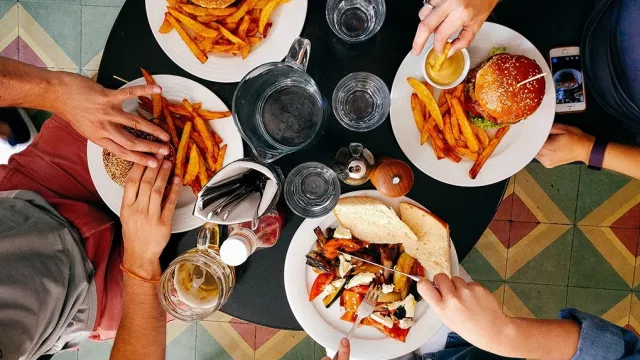
Longevity the goal of living longer with excellent health has become a major focus of global research. Valter Longo, director of the Longevity Institute at the University of Southern California, identifies obesity and overweight as two of the main enemies of longevity. Through extensive study of nutrition and aging, Longo highlights particular foods that many of us consume excessively, which erode both lifespan and quality of life.
The “Five Poisonous P’s” That Undermine Longevity
Longo, who grew up in Italy, has observed that many Italians and people worldwide regularly consume what he calls the “five P’s”: pan (bread), pasta, pizza, patatas (potatoes), and proteins (primarily fatty animal proteins). Despite their popularity, these staples contribute significant amounts of rapidly digestible sugars and fats that spike blood sugar and promote fat storage.
He explains, “Even as children, Italians consume these foods excessively. It’s equivalent to spoonfuls of sugar every day.” This daily overload of simple carbohydrates and certain animal proteins contributes to insulin resistance and decreases metabolic efficiency, accelerating aging processes and chronic disease risks.
A Harmful Habit: Fruit and Sweets After Meals
Another common but problematic practice is consuming sugary fruits and sweets immediately after meals. Although fruit has beneficial micronutrients, in certain diets especially those without time-restricted eating this combination leads to high blood sugar spikes converted directly to fat. Longo points out that this overload can diminish insulin function and metabolic health if done frequently.
Longevity-Boosting Foods Everyone Should Include
Longo’s research also reveals food groups strongly associated with extended lifespan, having helped his test subjects live healthier, longer lives sometimes up to tenfold improvements in life quality and duration.
1. Fish
Longo advocates eating fish three to four times per week, focusing on fatty varieties rich in omega-3s, such as salmon. He advises avoiding large predatory fish like swordfish and bluefin tuna due to mercury accumulation. These sustainable fish choices support cardiovascular health, reduce inflammation, and promote cognitive longevity.
2. Vegetables
A wide variety of vegetables should be consumed, emphasizing seasonality to maximize nutrient content. Unlike fruit, vegetables are low in sugar and rich in fiber, vitamins, and antioxidants that protect against oxidative stress and support immune function.
3. Legumes, Whole Grains, Nuts, and Healthy Oils
Longo stresses that protein intake should be moderate, around 0.8 grams per kilogram of body weight until about 65 years of age, rising slightly after that to preserve muscle mass. These proteins should primarily come from plant sources like legumes and nuts, accompanied by whole grains and healthy fats such as olive oil.
The Longevity Diet: Balanced and Sustainable
Longo’s “Longevity Diet” works by combining calorie restriction with nutrient-dense plant-focused foods and moderate protein intake. With daily energy intake ranging roughly between 800 to 1100 calories during restricted phases, the diet is rich in vegetable fats but low in sugars and animal proteins.
This approach is not simply about longevity for the sake of years but emphasizes preserving healthspan living more years free from chronic disease and disability. Adopting such a diet alongside time-restricted eating under professional guidance has been linked to an 84% increased chance of reaching 70 years in good health.
In Summary
Valter Longo’s groundbreaking work showcases how common dietary habits overconsumption of pasta, bread, pizza, potatoes, and fatty proteins can undermine lifespan and vitality. By shifting to a diet grounded in seasonal vegetables, healthy fish, plant proteins, and oils, supported by mindful calorie control, it’s possible to extend life and improve its quality significantly.
Adopting the “Longevity Diet” is not about strict deprivation but intelligent, balanced eating that respects the body’s metabolic needs while reducing risk factors for aging-related diseases.
Recent Posts
-
 Real maternity: What We Left Behind When We Choose to Take Care Of
 -
 Dream Cruise Vacations: The Wonders of the Caribbean
 -
 Ideas and Tips for an Unforgettable Summer
 -
 How to Protect Your Skin From the Cold
 -
 Quick, Protein-Packed, Healthy Dinner to Help You Slim Down: Nutritionist Blanca Martín’s 5-Minute Salad Recipe
 BBC News
- Inside the £3.25m castle bought by Celebrity Traitors winner Alan Carr February 28, 2026
- Formula 1's new golden age of celebrity may have just begun February 28, 2026
- Resident Evil Requiem's director on redefining the survival horror genre February 28, 2026
- Six things to look out for in tonight's Brit Awards ceremony February 28, 2026
- The strange British phenomenon of the snatched backseat picture February 28, 2026
- Neil Sedaka, singer of Breaking Up Is Hard To Do, dies at 86 February 27, 2026
- These filmmakers know exactly how to get you hooked on bizarre one-minute dramas February 27, 2026
- What the Warner Bros deal could mean for streaming, cinemas and news February 27, 2026
- I Swear director says Baftas 'let down' Tourette's campaigner February 27, 2026
- Presenter conquering fear of city she lived in during abusive marriage February 27, 2026
- Cruz Beckham launches music career, having fun amid family drama February 27, 2026
- How Hollywood and Maga aligned over Warner Bros deal February 27, 2026
- Jack Whitehall: Hosting the Brits is a 'genuine rollercoaster' February 27, 2026
- Ghosts TV sitcom brought back to life as a feature film February 27, 2026
- Williams leads supergroup in Brits tribute to Ozzy February 27, 2026