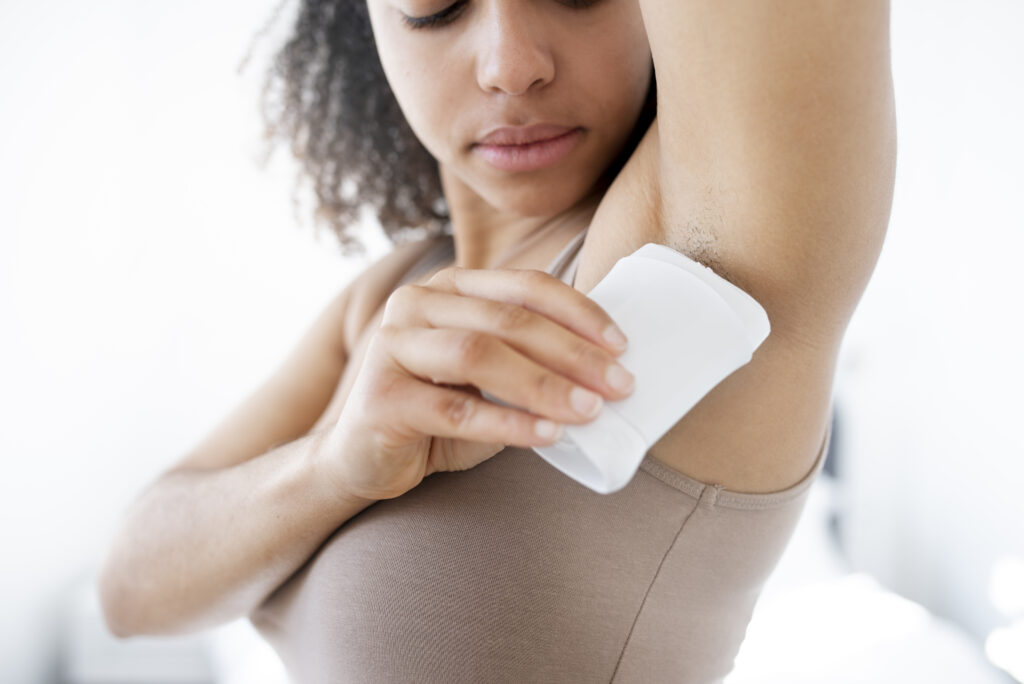
Sweating plays an important role in the body, naturally regulating body temperature when it rises too much during physical activity, exposure to high temperatures, or during particularly stressful times. However, the unpleasant odor of sweat, caused by bacteria that come into contact with the skin, is bothersome and requires neutralizing it with suitable deodorants and antiperspirants. In addition to proper daily hygiene, the best solution is to rely on natural products such as aluminum-free deodorants, which are safe and free of allergens, synthetic dyes, and parabens. In this article, I’ll walk you step by step through choosing a quality underarm deodorant.
A Guide to Choosing the Best Deodorants and Antiperspirants for Your Needs.
Before choosing the best product for our needs, we need to know that deodorants and antiperspirants serve the same purpose but achieve it differently. Both combat unpleasant odors caused by sweat, allowing us to stay fresh and clean longer throughout the day, but they have some differences. Let’s find out what they are.
Differences Between Deodorants and Antiperspirants
Unpleasant odor is not caused by sweating itself (sweat has no odor) but by bacteria that come into contact with sweat and react by producing unpleasant odors. Based on our personal sweat production, we should therefore determine whether one deodorant is better for us than another.
Deodorant should be chosen when we want to target the bacteria that cause odor, reducing their numbers and leaving skin nourished and scented.
Antiperspirants are recommended when we need to reduce sweat gland production, thereby reducing the burden on the bacteria that cause body odor. In short, they regulate the amount of sweat we produce, while also protecting us from unpleasant odors.
This suggests that for heavy or excessive sweating, an antiperspirant is more suitable, while a deodorant is recommended if we want to stay fresh, scented, and clean longer.
Why Choose an Aluminum-Free Deodorant?
To slow sweating and prevent odor, most deodorants use substances that clog the sweat ducts and impede the skin’s natural transpiration. Aluminum-free deodorants are the most reliable and safe solution in this case. In addition to combating odor, they do not alter the functioning of the glands or reduce the skin’s normal perspiration process, and thermoregulation is perfectly balanced, ensuring hydrated, smooth, soft, and healthy skin. They perfectly control sweating levels, ensuring a feeling of continuous freshness while protecting the dermis and preventing the introduction of aluminum into our skin. Furthermore, they do not leave unsightly marks on clothes or stains on the skin.
How to Choose the Best Aluminum-Free Deodorant
The most important step in selecting the right products that aren’t harmful is to ensure they’re high-quality. How? First, by relying on specialized beauty retailers who can guarantee you’re choosing among the best aluminum-free, authentic, and natural deodorants on the market. Then, read the product’s warnings and ingredients list. The certifications found on the packaging are also very helpful; if they comply with Italian and European Union regulations, you can trust them. Choosing a quality deodorant is crucial not only to meet your personal needs but also, above all, to avoid any health risks, so you can make a safe purchase.
5 Tips for Keeping Sweat Under Control
Finally, in addition to the help of deodorants and antiperspirants, you can limit the smell of sweat by changing some daily habits:
- Keep your weight under control. Studies have shown that increased sweating is correlated with excessive weight gain.
- Practice proper personal hygiene. Washing regularly with gentle soaps helps greatly in controlling sweating.
- Drink little and often. In addition to being good for your overall health, it also helps avoid sweating more than you would if you drank half a liter of water at once.
- Avoid synthetic fabrics. Wearing synthetic and non-breathable clothing tends to increase sweating, resulting in even more body odor.
- Eat fewer foods with strong aromas. For example, eating lots of garlic and onion tends to make the odor of sweat stronger and more unpleasant.
Recent Posts
-
 Real maternity: What We Left Behind When We Choose to Take Care Of
 -
 Dream Cruise Vacations: The Wonders of the Caribbean
 -
 Ideas and Tips for an Unforgettable Summer
 -
 How to Protect Your Skin From the Cold
 -
 Quick, Protein-Packed, Healthy Dinner to Help You Slim Down: Nutritionist Blanca Martín’s 5-Minute Salad Recipe
 BBC News
- Inside the £3.25m castle bought by Celebrity Traitors winner Alan Carr February 28, 2026
- Formula 1's new golden age of celebrity may have just begun February 28, 2026
- Resident Evil Requiem's director on redefining the survival horror genre February 28, 2026
- Six things to look out for in tonight's Brit Awards ceremony February 28, 2026
- The strange British phenomenon of the snatched backseat picture February 28, 2026
- Neil Sedaka, singer of Breaking Up Is Hard To Do, dies at 86 February 27, 2026
- These filmmakers know exactly how to get you hooked on bizarre one-minute dramas February 27, 2026
- What the Warner Bros deal could mean for streaming, cinemas and news February 27, 2026
- I Swear director says Baftas 'let down' Tourette's campaigner February 27, 2026
- Presenter conquering fear of city she lived in during abusive marriage February 27, 2026
- Cruz Beckham launches music career, having fun amid family drama February 27, 2026
- How Hollywood and Maga aligned over Warner Bros deal February 27, 2026
- Jack Whitehall: Hosting the Brits is a 'genuine rollercoaster' February 27, 2026
- Ghosts TV sitcom brought back to life as a feature film February 27, 2026
- Williams leads supergroup in Brits tribute to Ozzy February 27, 2026